Most people know what a red flag is.
Many people are now learning about green flags.
But in real relationships, not everything is clearly good or clearly bad.
Most things live in between.
That middle space is called a yellow flag.
So what is the real yellow flag meaning in relationships?
A yellow flag is not a deal-breaker.
And it is not a sign to relax either.
It is a signal to slow down, observe, and understand.
In this guide, you’ll clearly understand:
✔ what yellow flags really are
✔ how they appear in relationships
✔ real-life examples
✔ how they differ from red and green flags
✔ and how to respond to them in healthy ways
✅ What Does “Yellow Flag” Mean in Relationships?
In relationships, a yellow flag means:
👉 A behavior, pattern, or situation that is not clearly unhealthy, but also not clearly healthy.
It is something that makes you pause.
Not panic.
Not celebrate.
Just pause.
The simple yellow flag meaning in relationships is:
👉 A sign that something may become a problem if ignored, but may also improve with awareness, communication, and growth.
🚦 Why Is It Called a Yellow Flag?
The idea comes from traffic lights.
• Red = stop
• Green = go
• Yellow = slow down and pay attention
In relationships:
• Red flags = danger signs
• Green flags = healthy signs
• Yellow flags = caution signs
Yellow flags ask you to observe, not to run.
💛 Yellow Flag vs Red Flag vs Green Flag
Understanding the difference is important.
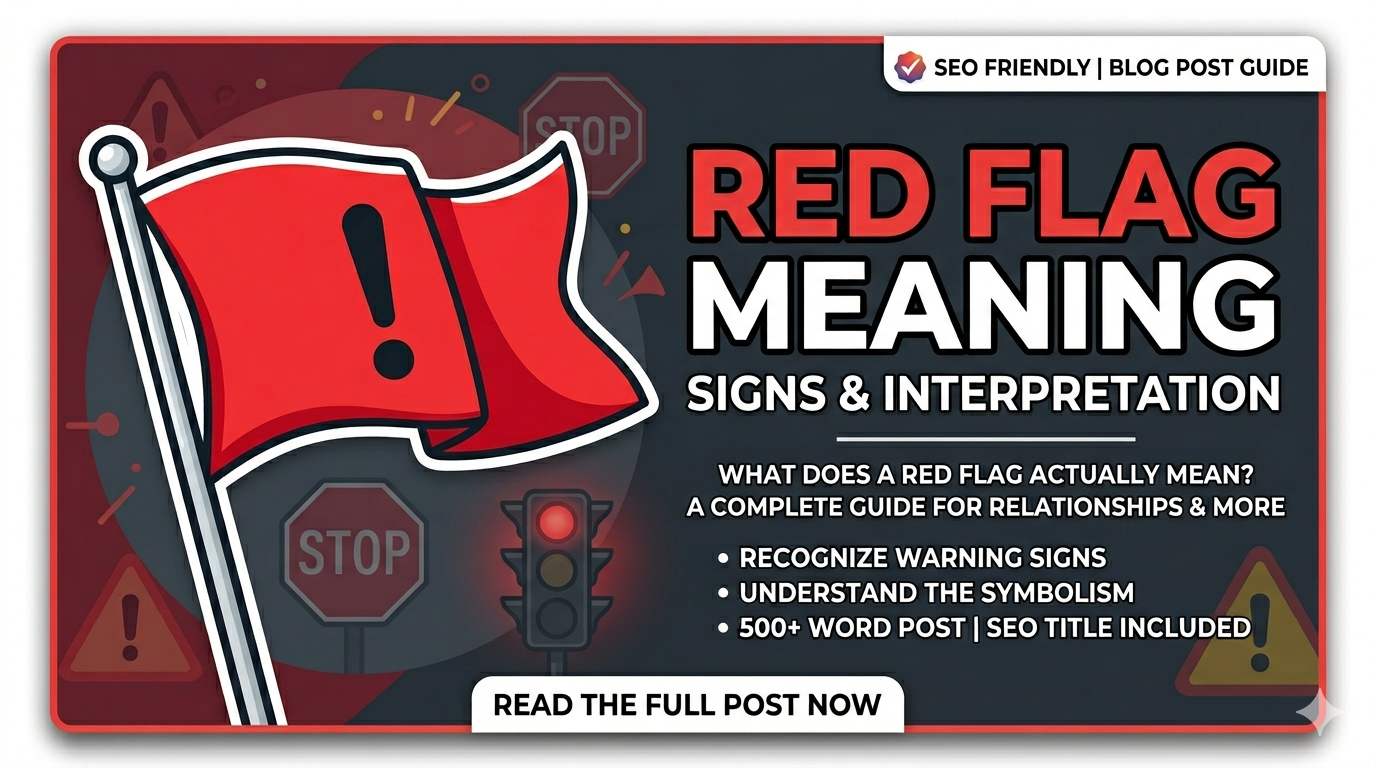
🔴 Red flags
Red flags are clear warning signs.
They show:
• emotional abuse
• manipulation
• dishonesty
• disrespect
• control
Red flags are about safety.
Learn more here:
👉 https://pookiemeaning.in/meaning/red-flag-meaning-in-relationships/
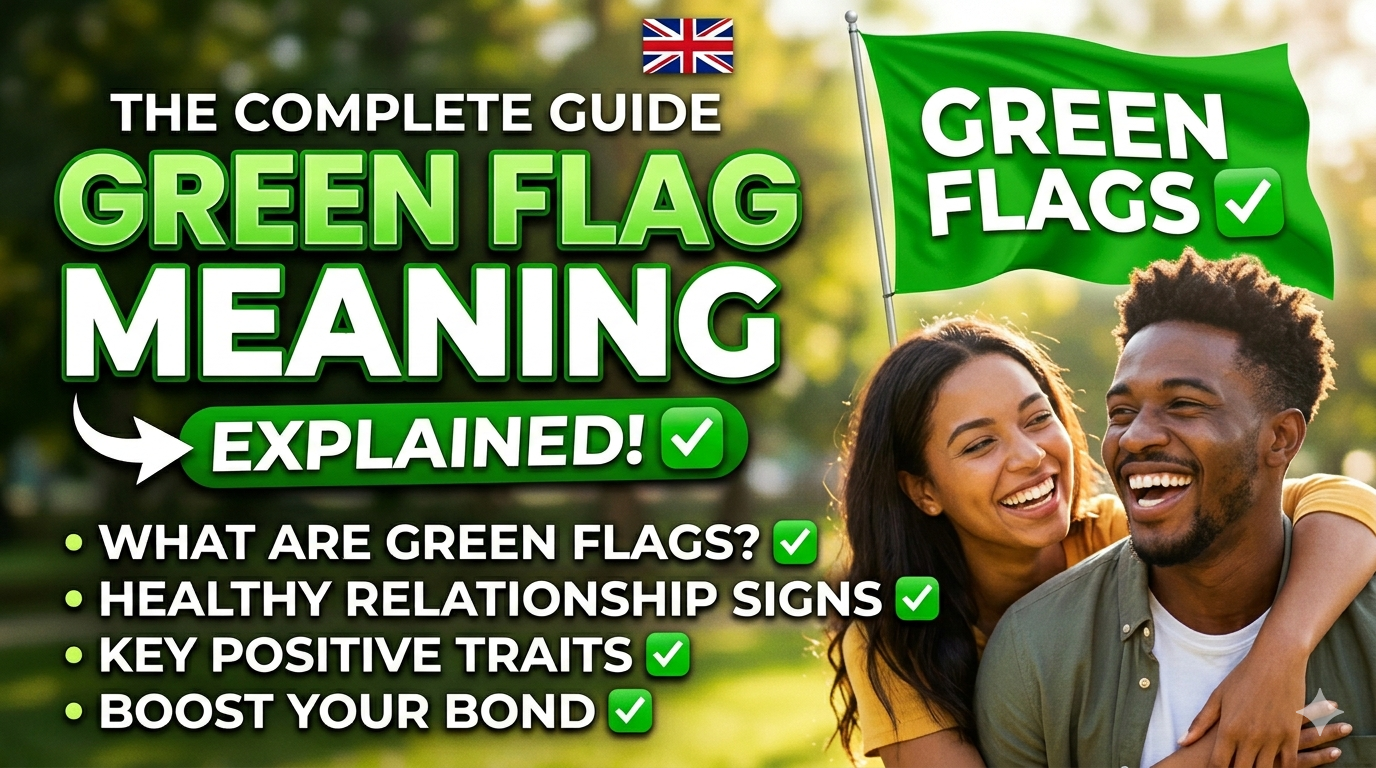
🟢 Green flags
Green flags show:
• emotional safety
• consistency
• accountability
• kindness
• healthy communication
Green flags build trust.
Learn more here:
👉 https://pookiemeaning.in/meaning/green-flag-meaning/
🟡 Yellow flags
Yellow flags show:
• emotional habits that may cause future issues
• personal patterns that need awareness
• unresolved areas
• compatibility questions
Yellow flags are about growth and clarity.
🧩 Common Yellow Flags in Relationships
Here are some realistic yellow flags many people experience:
▶ 1. Inconsistent communication
Not ghosting.
Not fully present either.
Some days warm.
Some days distant.
This may be:
• stress
• avoidant habits
• unclear interest
• emotional confusion
This inconsistency is often a yellow flag.
(It becomes red if it turns into ghosting or manipulation.)
▶ 2. Avoiding emotional conversations
They don’t attack.
They don’t gaslight.
But they also don’t open up.
They change topics.
They joke it away.
They stay surface-level.
This emotional avoidance is a yellow flag.
If it deepens, it can turn into emotional unavailability.
▶ 3. Unclear intentions
They enjoy your company.
They message.
They flirt.
But avoid clarity.
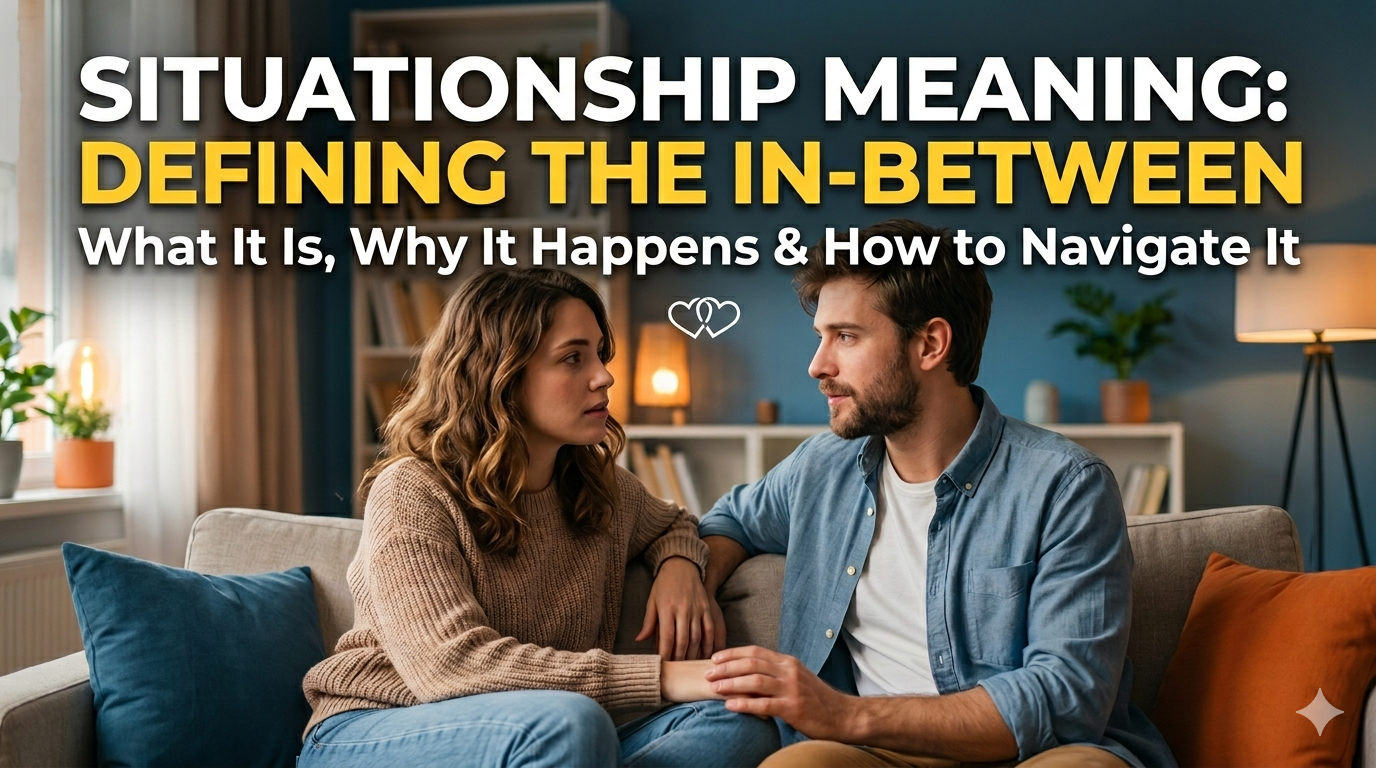
This often exists in situationships.
You can understand that pattern here:
👉 https://pookiemeaning.in/meaning/situationship-meaning-modern-dating/
Lack of clarity is one of the most common yellow flags.
▶ 4. Slow accountability
They eventually take responsibility.
But only after defensiveness.
Only after excuses.
This can be emotional immaturity, not manipulation.
That makes it a yellow flag.
If accountability never comes, it becomes red.
▶ 5. Emotional over-dependence
They rely on you heavily for mood, reassurance, or identity.
Not controlling.
Not abusive.
But emotionally unbalanced.
This is often a yellow flag of future burnout.
💬 Yellow Flags in Modern Dating
Yellow flags are extremely common in modern dating because:
• people carry emotional baggage
• attachment styles vary
• dating is fast
• self-awareness is low
• communication skills are weak
Most early dating experiences are full of yellow flags.
They are part of learning, not failure.
😬 Yellow Flags vs The Ick
Sometimes yellow flags create discomfort.
This discomfort may feel like “the ick.”
You can understand the ick here:
👉 https://pookiemeaning.in/pookie-meaning/ick-meaning-in-dating/
The difference:
The ick is an emotional reaction.
A yellow flag is an observable pattern.
Not every ick means danger.
Not every yellow flag means leave.
🧠 Yellow Flags vs Gaslighting
Yellow flags involve confusion.
Gaslighting creates self-doubt.
If a person slowly makes you question reality, that is no longer yellow.
That becomes gaslighting.
Learn more here:
👉 https://pookiemeaning.in/meaning/gaslighting-meaning-in-relationships/
🍞 Yellow Flags and Breadcrumbing
Breadcrumbing often begins as a yellow flag.
Irregular effort.
Vague communication.
Emotional crumbs.
If repeated, yellow becomes red.
You can understand breadcrumbing here:
👉 https://pookiemeaning.in/meaning/breadcrumbing-meaning-in-dating/
👻 Yellow Flags and Ghosting
Avoidance patterns are yellow flags.
Silence without explanation is ghosting.
That is red.
Learn more here:
👉 https://pookiemeaning.in/meaning/ghosting-meaning-in-relationships/
🛑 How to Respond to Yellow Flags
Yellow flags are not about ending things.
They are about responding consciously.
Healthy ways to respond:
1️⃣ Observe patterns, not moments
2️⃣ Communicate honestly
3️⃣ Ask questions
4️⃣ Share how you feel
5️⃣ Watch actions after conversations
6️⃣ Slow down emotional investment
Growth shows through behavior change.
🌱 When Yellow Flags Become Red Flags
Yellow flags turn red when:
• communication does not improve
• boundaries are ignored
• patterns repeat
• accountability is missing
• emotional safety decreases
Time reveals whether something is a habit or a warning.
🌿 When Yellow Flags Can Become Green Flags
Yellow flags can become green when:
• self-awareness increases
• communication improves
• effort becomes consistent
• emotional maturity grows
• accountability becomes natural
Not all yellow flags are flaws.
Some are unlearned skills.
📌 Why People Search “Yellow Flag Meaning in Relationships”
Because real relationships are not black and white.
People are not perfect or toxic.
They are complex.
Yellow flags explain the gray area.
🙋 Frequently Asked Questions
It means a caution sign that needs awareness, not immediate exit.
Not always. It shows something to observe, not automatically leave.
Yes, if ignored and repeated.
Yes, with communication and growth.
Slow down, communicate, and observe patterns.