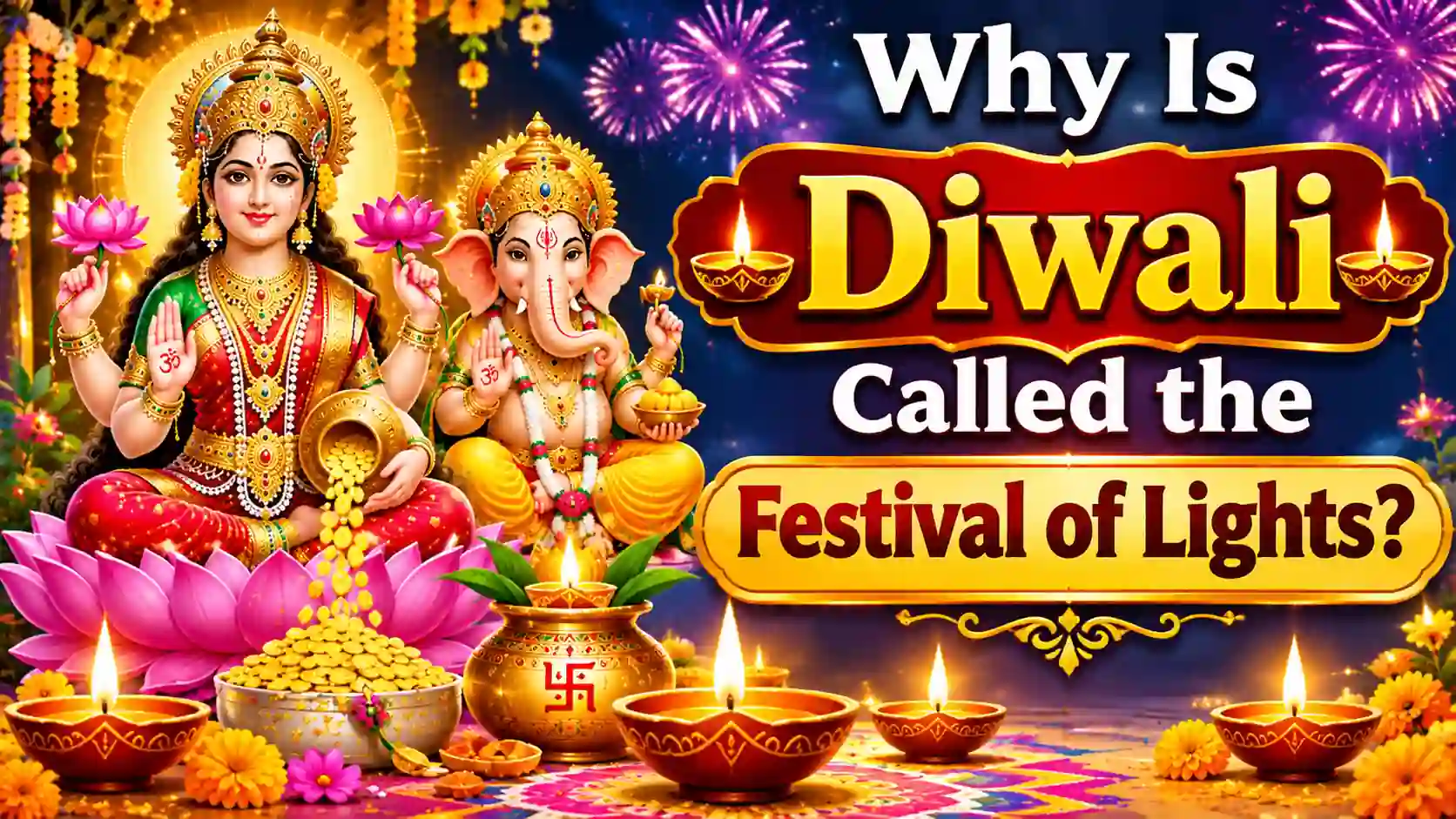
Diwali is one of the most popular and widely celebrated festivals in India. Every year, millions of people celebrate this beautiful occasion by lighting oil lamps, decorating their homes, sharing sweets, worshipping deities and spending quality time with family.
But have you ever wondered why Diwali is called the Festival of Lights?
The answer is much deeper than simply lighting diyas and decorating houses. Diwali represents the victory of light over darkness, good over evil, knowledge over ignorance and hope over negativity.
The traditional oil lamps, known as diyas, are among the most important symbols of this festival. They represent positivity, happiness, spiritual awakening and the belief that even a small light can remove darkness.
In this article, we will explore why Diwali is known as the Festival of Lights, its history, religious significance and the beautiful traditions that make this festival special.
1. Why Is Diwali Known as the Festival of Lights?
Diwali is called the Festival of Lights because lighting lamps is one of its oldest and most meaningful traditions.
During Diwali, people decorate their homes, temples, streets and entrances with hundreds of small oil lamps. These lamps create a beautiful atmosphere and symbolise the removal of darkness from our lives.
The word Diwali comes from the Sanskrit word Deepavali, which means a row or series of lamps.
- Deep means lamp or light.
- Avali means a row or series.
Therefore, Deepavali literally means a row of lights.
Over time, the name became Diwali, and the festival became widely recognised as the Festival of Lights.
However, the meaning of Diwali goes beyond its beautiful decorations. It reminds people to choose kindness, truth, wisdom and positivity in everyday life.
2. The Story of Lord Rama Behind Diwali
One of the most popular explanations for celebrating Diwali comes from the Hindu epic Ramayana.
According to the traditional story, Lord Rama, along with Goddess Sita and his brother Lakshmana, spent fourteen years in exile.
During this period, Lord Rama defeated Ravana, the king of Lanka, and rescued Goddess Sita.
After completing fourteen years of exile, Lord Rama returned to Ayodhya with Sita and Lakshmana.
The people of Ayodhya were extremely happy to welcome their beloved prince. According to the traditional account, they decorated the city and lit rows of oil lamps to celebrate his return.
The entire city was illuminated with beautiful lights.
This tradition became an important part of Diwali celebrations and represents the victory of righteousness over evil.
Even today, many people celebrate Diwali by lighting diyas to remember the return of Lord Rama to Ayodhya.
3. The Religious Significance of Goddess Lakshmi
Diwali is also strongly associated with Goddess Lakshmi, who is worshipped as the goddess of wealth, prosperity, abundance and good fortune.
On the main day of Diwali, families perform Lakshmi Puja and pray for happiness, financial stability and peace in their homes.
People clean their houses, decorate entrances with rangoli, prepare sweets and light diyas before performing the evening puja.
According to Hindu beliefs, a clean and welcoming home represents positivity and readiness to receive divine blessings.
Goddess Lakshmi is commonly worshipped along with Lord Ganesha, who is associated with wisdom, new beginnings and the removal of obstacles.
This is another reason why lights have such an important place in Diwali celebrations.
4. What Does Light Symbolise During Diwali?
The light of a diya has a spiritual meaning in Hindu traditions.
It represents several important values that people try to follow in their lives.
| Symbol | Meaning |
|---|---|
| Light | Knowledge and wisdom |
| Darkness | Ignorance and negativity |
| Diya | Hope and positivity |
| Fire | Purification and transformation |
| Multiple Lamps | Unity, happiness and prosperity |
| Rangoli | Welcome, beauty and good fortune |
The message is simple but powerful: we should remove negative thoughts from our minds and bring positive energy into our lives.
A small diya may look simple, but its light can brighten an entire room. Similarly, even a small act of kindness can bring happiness into someone’s life.
5. Why Do People Light Diyas on Diwali?
Lighting diyas is one of the most beautiful traditions of Diwali.
People place traditional earthen lamps near their doors, windows, balconies, temples and courtyards.
There are several cultural and spiritual reasons behind this practice.
1. Symbol of Victory Over Darkness
Diyas represent the victory of light over darkness and good over evil.
2. Welcoming Positivity
Many families light lamps as a symbol of welcoming happiness, peace and prosperity into their homes.
3. Religious Tradition
Lighting a diya is an important part of Hindu worship. Lamps are commonly used during prayers and religious ceremonies.
4. Celebrating Togetherness
Families often decorate their homes together, making diya lighting a joyful activity for everyone.
5. Remembering Spiritual Values
The light reminds people to follow truth, kindness, wisdom and compassion.
6. How Diwali Is Celebrated Across India
Diwali is celebrated in different ways across India. Although customs and traditions may vary, the central message of happiness, light and positivity remains similar.
Northern India
In many parts of North India, Diwali is associated with the return of Lord Rama to Ayodhya. People decorate homes, light diyas, perform Lakshmi-Ganesh Puja and celebrate with family.
Western India
In states such as Maharashtra and Gujarat, Diwali is celebrated with traditional decorations, sweets, Lakshmi Puja and business-related religious customs.
Southern India
In many parts of South India, Naraka Chaturdashi is an important part of Diwali celebrations. It is associated with the victory of Lord Krishna over the demon Narakasura.
Eastern India
In West Bengal and some other eastern regions, Kali Puja is an important part of Diwali night celebrations. Devotees worship Goddess Kali and offer prayers.
These regional traditions show how one festival can bring together different communities and cultural practices.
7. Diwali Is Also Celebrated in Different Religions
Diwali is an important occasion for several religious communities, although its meaning and historical associations differ.
- Hinduism: Diwali is associated with Lord Rama’s return to Ayodhya, Goddess Lakshmi and the victory of good over evil.
- Jainism: Diwali marks the nirvana or liberation of Lord Mahavira.
- Sikhism: The festival is associated with Bandi Chhor Divas, commemorating the release of Guru Hargobind Ji from imprisonment.
- Some Buddhist communities: Certain communities observe Diwali through cultural and regional traditions, although it is not a universal Buddhist festival.
These different traditions make Diwali a culturally significant celebration across India.
8. The Spiritual Message of the Festival of Lights
Diwali is not only about decorating houses, buying new clothes or enjoying delicious sweets.
It also carries an important message for our everyday lives.
The festival encourages us to remove darkness from our minds and bring positive changes into our behaviour.
It reminds us to:
- Choose truth instead of dishonesty.
- Spread kindness and love.
- Help people who need support.
- Respect parents, elders and family members.
- Forgive others and move forward.
- Replace negative thoughts with positive thinking.
- Share happiness with everyone.
The real beauty of Diwali is not just the number of lamps we light outside our homes but also the goodness we bring into our hearts.
9. How to Celebrate Diwali in a Meaningful Way
You do not need expensive decorations or grand celebrations to enjoy Diwali.
Simple traditions can make this festival memorable.
Here are some meaningful ways to celebrate:
- Clean and decorate your home.
- Light traditional earthen diyas.
- Perform Lakshmi-Ganesh Puja with your family.
- Prepare or share homemade sweets.
- Visit relatives and spend time with loved ones.
- Donate food, clothes or other essentials to people in need.
- Use environmentally responsible decorations.
- Avoid excessive noise and unsafe firecrackers.
- Spread happiness through small acts of kindness.
Remember, the true spirit of Diwali lies in sharing happiness and making life brighter for others.
Conclusion: The Real Meaning of the Festival of Lights
Diwali is called the Festival of Lights because it celebrates the beautiful message of light defeating darkness.
From the traditional story of Lord Rama’s return to Ayodhya to the worship of Goddess Lakshmi, the festival carries deep religious, cultural and spiritual meaning.
The glowing diyas remind us that hope, knowledge, kindness and truth can overcome negativity and ignorance.
This Diwali, let us not only decorate our homes with lights but also fill our hearts with love, gratitude and compassion.
May the light of Diwali bring happiness, peace, prosperity and success to every home.
Happy Diwali!
Frequently Asked Questions (FAQs)
Diwali is called the Festival of Lights because people celebrate it by lighting rows of traditional oil lamps called diyas. These lamps symbolise the victory of light over darkness, good over evil and knowledge over ignorance.
The word Diwali comes from the Sanskrit word Deepavali, which means a row or series of lamps. It represents the tradition of lighting many lamps during the festival.
People light diyas to symbolise hope, positivity, wisdom and the victory of good over evil. It is also an important religious tradition during Diwali worship.
Goddess Lakshmi and Lord Ganesha are commonly worshipped during the main Diwali evening puja. In many traditions, the festival is also associated with Lord Rama’s return to Ayodhya.
The main spiritual message of Diwali is that light always has the power to overcome darkness. It encourages people to follow truth, kindness, knowledge, peace and positivity in their lives.