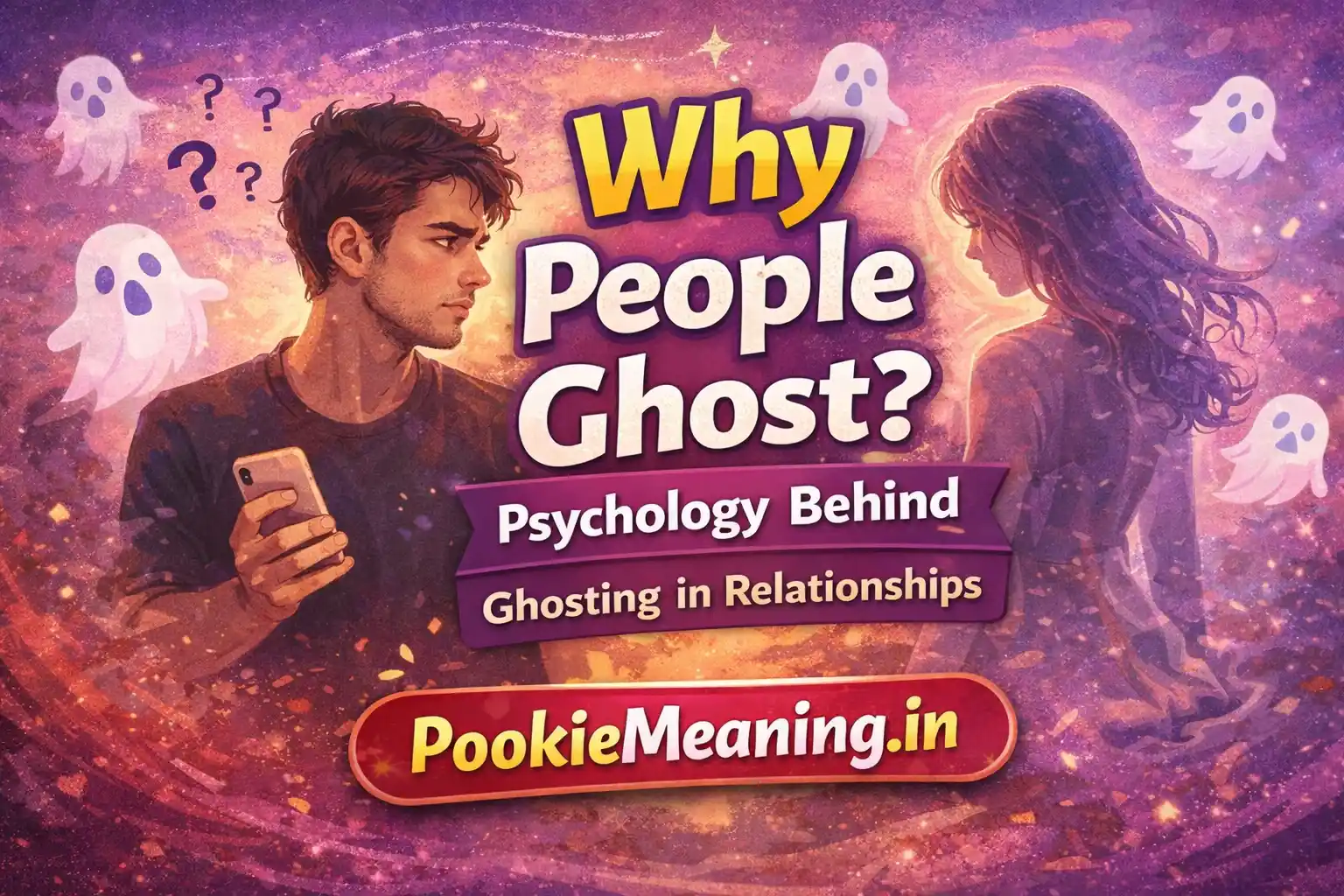
Ghosting has become one of the most painful and confusing experiences in modern dating. One day everything seems normal — you are texting, laughing, making plans. The next day, silence. No replies, no explanation, no closure. Just emptiness.
This sudden disappearance is called ghosting, and understanding the psychology behind ghosting is important if you want to protect your mental health and avoid repeating unhealthy patterns in relationships.
In this article, we will break down why people ghost, what goes on in their mind, how it affects the person being ghosted, and how you can handle it emotionally.
What Is Ghosting in Relationships?
Ghosting happens when someone suddenly stops all communication without explanation. They do not say goodbye, they do not give reasons — they simply vanish.
This is different from a breakup. In a breakup, there is at least a conversation. In ghosting, there is nothing but silence.
If you want a simple definition:
Read also: Ghosting meaning in relationships
The Core Psychology Behind Ghosting
At its core, the psychology behind ghosting is rooted in emotional avoidance, fear, and lack of accountability.
Most people who ghost are not heartless — they are emotionally immature, afraid, or overwhelmed.
Here are the main psychological reasons:
1. Fear of Confrontation
Many people ghost because they are terrified of difficult conversations.
They think:
- “If I explain, it will become a fight.”
- “I don’t want to hurt their feelings.”
- “I don’t know what to say.”
Instead of dealing with discomfort, they choose the easiest option: silence.
This is common in people who avoid emotional conflict and struggle with communication.
2. Emotional Unavailability
Some people are simply not ready for emotional connection. They enjoy attention but panic when things get serious.
This is a key part of the psychology behind ghosting.
They may like you, but when real commitment or emotional depth appears, they pull away.
Read also: Emotional unavailability meaning
3. Avoidant Attachment Style
People with avoidant attachment styles often struggle with closeness. When they feel emotionally exposed, they withdraw — sometimes by ghosting.
Instead of saying, “I need space,” they disappear completely.
If you want to understand this deeper:
Read also: Attachment styles meaning in dating
4. They Were Never Fully Invested (Situationship)
Many ghosting cases happen in casual dating or situationships.
If someone never saw you as a serious partner, they may feel no responsibility to explain themselves.
From their perspective, they think:
“We were never official anyway.”
But emotionally, this still hurts deeply.
Read also: Situationship meaning in modern dating
5. Guilt and Shame
Some people ghost because they feel guilty.
Maybe they:
- Lost interest
- Met someone else
- Lied earlier
- Realized they were wrong
Instead of owning their actions, they disappear to avoid shame.
This is cowardly behavior, but very common.
6. They Got Overwhelmed
Modern dating can be exhausting — constant texting, expectations, emotions.
Some people ghost simply because they feel mentally overwhelmed.
Instead of saying “I need a break,” they shut down completely.
7. Power and Control
In some cases, ghosting is not accidental — it is intentional emotional control.
By disappearing, they leave you confused, anxious, and chasing them emotionally.
This is a toxic behavior often linked with breadcrumbing.
Read also: Breadcrumbing meaning in dating
8. Fear of Rejection
Ironically, some people ghost because they fear being rejected first.
If they feel you are losing interest, they disappear before you can leave them.
It is a defense mechanism.
9. They Found Someone Else
One harsh truth: many people ghost because they started talking to someone new.
Instead of ending things properly, they simply stop responding.
This is emotionally disrespectful but very common in modern dating.
10. They Lack Emotional Maturity
Ghosting often reflects emotional immaturity.
A mature person communicates. An immature person disappears.
This is one of the strongest parts of the psychology behind ghosting.
How Ghosting Affects the Person Being Ghosted
Being ghosted is emotionally painful.
Common effects include:
- Anxiety
- Self-doubt
- Overthinking
- Feeling unworthy
- Loss of trust
Many people start blaming themselves:
“What did I do wrong?”
“Was I not good enough?”
This is why ghosting is considered a form of emotional cruelty.
Ghosting vs Soft Launch
Sometimes people softly distance themselves instead of directly ghosting — for example, they slowly reduce replies, stop posting together, or hide you.
This can be connected to soft launch behavior.
Read also: Soft launch meaning on Instagram
Is Ghosting a Red Flag?
Yes — in most cases, ghosting is a major red flag.
It shows:
- Poor communication
- Lack of empathy
- Emotional avoidance
Read also: Red flag meaning in relationships
How to Handle Being Ghosted
If you have been ghosted, here is how to cope:
1. Do Not Chase Them
Silence is their answer.
2. Do Not Blame Yourself
Ghosting says more about them than you.
3. Focus on Your Self-Worth
You deserve clarity, not confusion.
4. Talk to a Friend
Share your feelings instead of bottling them up.
5. Move On
Closure comes from within, not from them.
What Healthy Communication Looks Like
Instead of ghosting, a mature person would say:
- “I don’t think this is working for me.”
- “I need space.”
- “I met someone else.”
Honesty may hurt, but silence hurts more.
These are green flags in dating:
Read also: Green flag meaning
Final Thoughts — My Honest Opinion
The psychology behind ghosting shows that most people ghost out of fear, insecurity, or emotional avoidance — not because you were unlovable.
Ghosting is painful, but it also reveals the truth: someone who disappears without explanation was never capable of loving you properly.
You deserve communication, respect, and emotional honesty.
If someone ghosts you, remember — you did not lose them. They lost you.
📖 Read Also
1️⃣ Ghosting meaning in relationships
2️⃣ Breadcrumbing meaning in dating
3️⃣ Emotional unavailability meaning
4️⃣ Red flag meaning in relationships