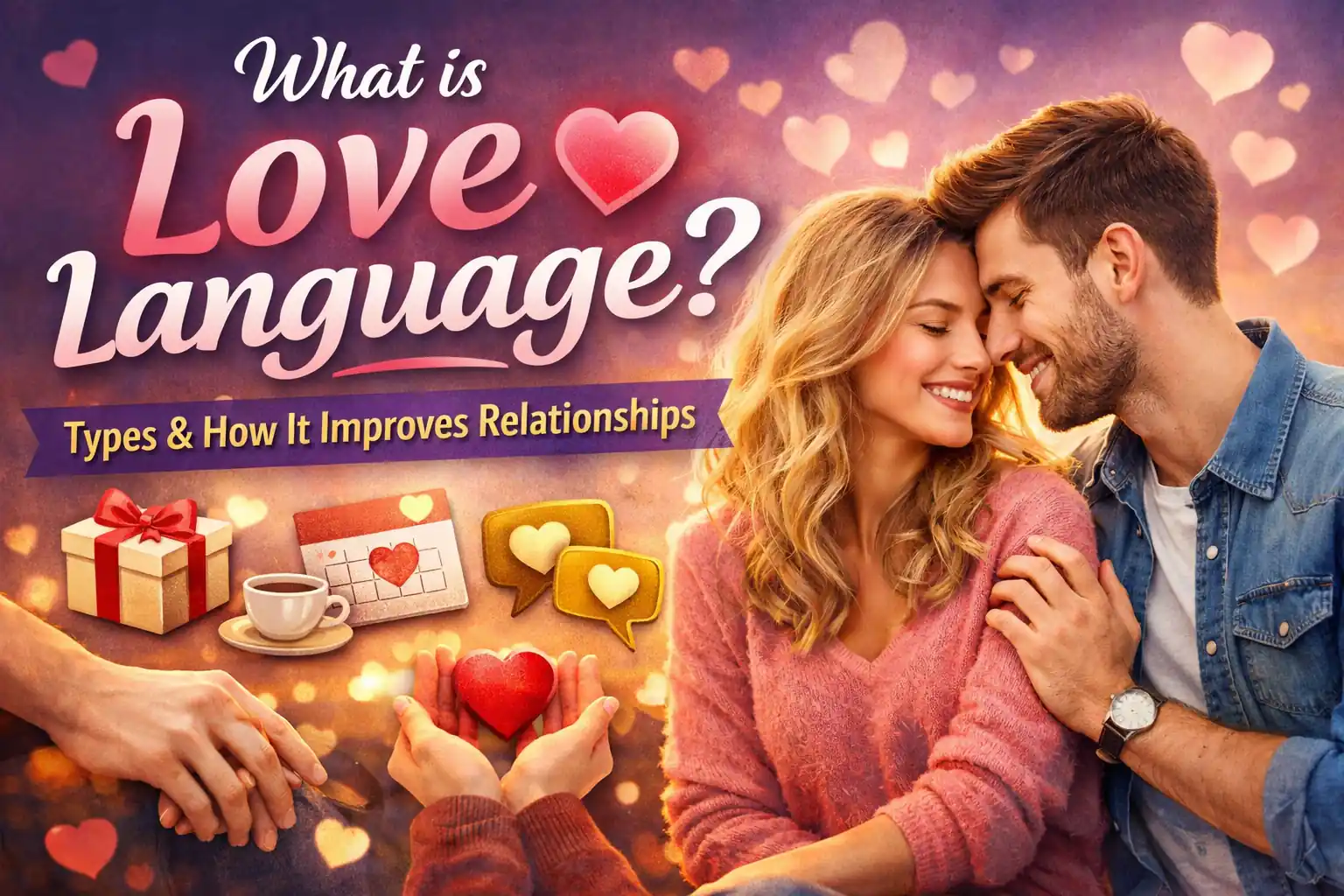
The term love language refers to the different ways people express and receive love in relationships. Everyone has a unique way of feeling valued and appreciated. While some people feel loved through words, others may prefer actions, gifts, or physical closeness. Understanding love languages helps improve communication, reduce misunderstandings, and build stronger emotional connections.
The concept of love languages became popular as a way to explain why people sometimes feel unloved even when their partner is trying their best. This happens because both individuals may be “speaking” different love languages.
The 5 Types of Love Languages
There are five main love languages that describe how people give and receive love:
1. Words of Affirmation
This love language is all about verbal expression. People who prefer this feel loved when they hear compliments, appreciation, and kind words. Simple phrases like “I love you,” “I’m proud of you,” or “You matter to me” can make a big difference.
2. Acts of Service
For some people, actions speak louder than words. Doing helpful things like cooking, helping with work, or supporting in daily tasks shows love. These individuals value effort and responsibility as a sign of care.
3. Receiving Gifts
This is not about materialism but about thoughtfulness. People with this love language feel special when they receive meaningful gifts. Even a small surprise can show that someone is thinking about them.
4. Quality Time
Spending meaningful time together is the key here. People who value quality time want full attention, deep conversations, and shared experiences. Distractions like phones can make them feel ignored.
5. Physical Touch
This love language includes physical expressions like hugs, holding hands, or a simple pat on the back. Physical closeness makes these individuals feel secure and connected.
Why Love Language is Important
Understanding love language is important because it helps improve relationships in many ways:
- Better Communication: You understand what your partner needs emotionally.
- Stronger Bond: It builds deeper connection and trust.
- Less Conflict: Reduces misunderstandings and emotional gaps.
- Emotional Satisfaction: Both partners feel valued and appreciated.
For example, if one person expresses love through gifts but the other prefers quality time, they may feel neglected even though love is present.
How to Identify Your Love Language
You can identify your love language by asking yourself:
- What makes you feel most appreciated?
- What do you complain about most in relationships?
- How do you usually show love to others?
Observing these patterns can help you understand your primary love language.
How to Use Love Languages in Relationships
To improve your relationship, follow these simple steps:
- Learn your partner’s love language
- Communicate openly about your needs
- Make small efforts regularly
- Be consistent and genuine
Love is not just about feeling—it’s also about expressing it in a way your partner understands.
Conclusion
Love language is a powerful concept that helps people connect better in relationships. By understanding the different ways people express love, you can build stronger, healthier, and more meaningful connections. Whether it’s through words, actions, time, gifts, or touch, the key is to speak the language that your partner understands the most.